

Assimilation in Animals
May 13, 2024 | by Bloom Code Studio

Heterotrophic assimilation in animals
Animals, unlike plants, cannot perform photosynthesis. Instead, they rely on heterotrophic assimilation, which starts with their digestive system. When animals eat food, it enters the digestive tract, where enzymes and acids break it down into simpler molecules.
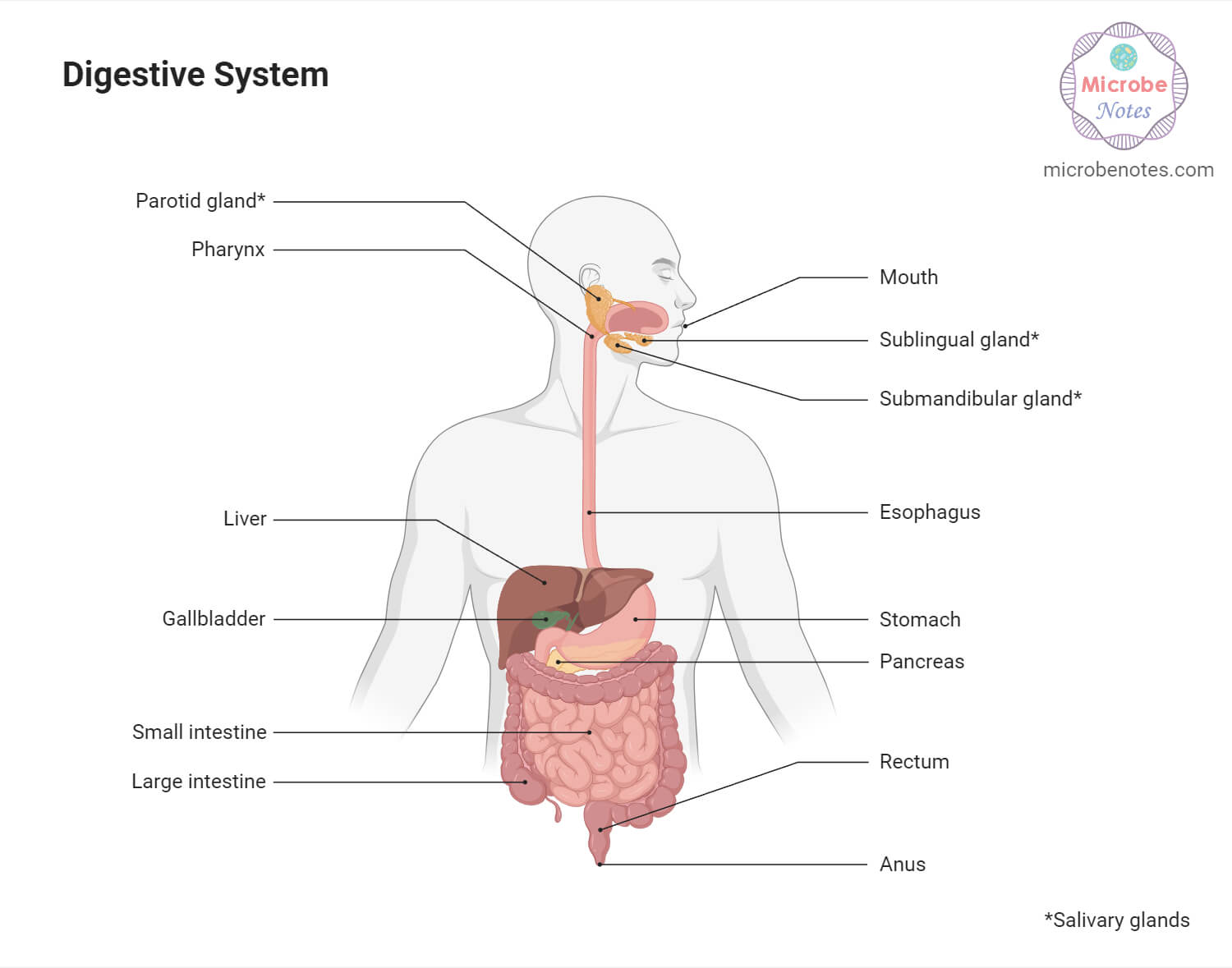
After digestion, nutrients are absorbed through the walls of the digestive tract into the bloodstream. It’s like the nutrients passing through a barrier to enter the body’s transportation system.
Role of the circulatory system in nutrient transport
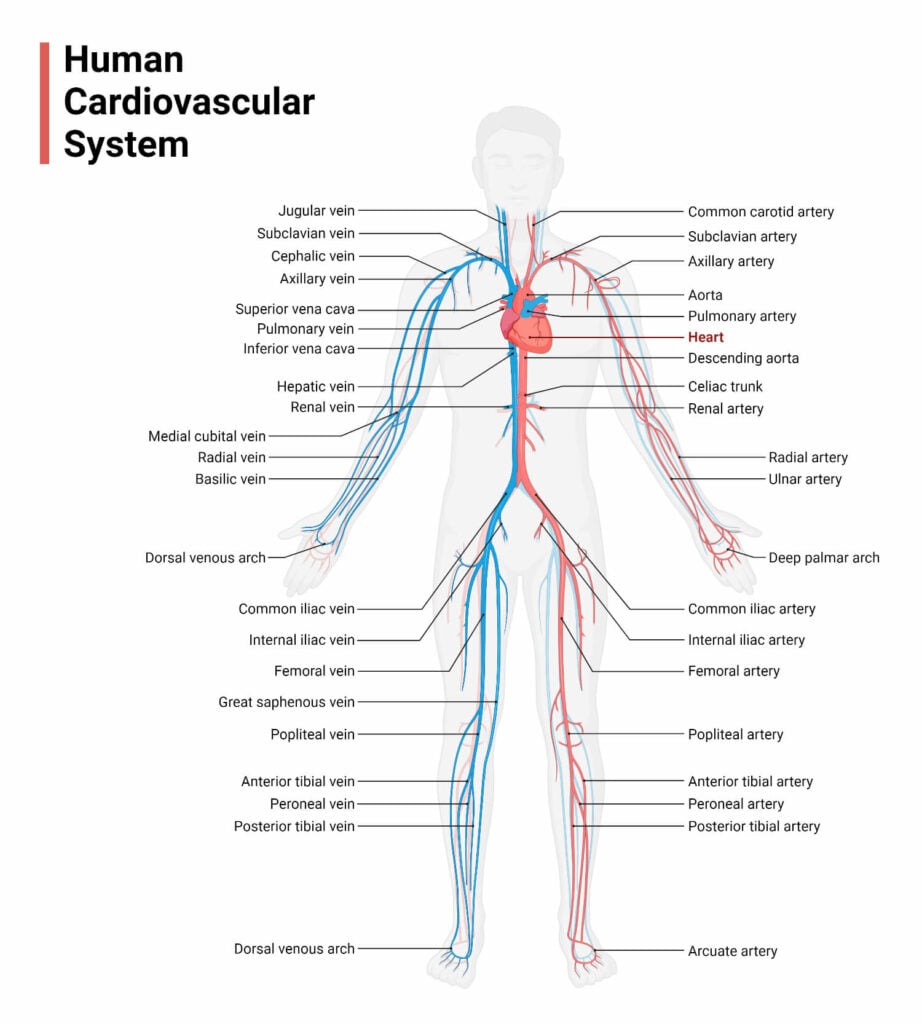
Once absorbed, nutrients travel through the circulatory system (bloodstream) to reach various body parts. The circulatory system acts like a highway network, delivering nutrients to cells needing energy and growth.
Cellular assimilation in animal cells
Inside animal cells, nutrients are further processed through metabolic pathways. These pathways are like intricate chemical recipes that transform nutrients into energy and building blocks for the cell.
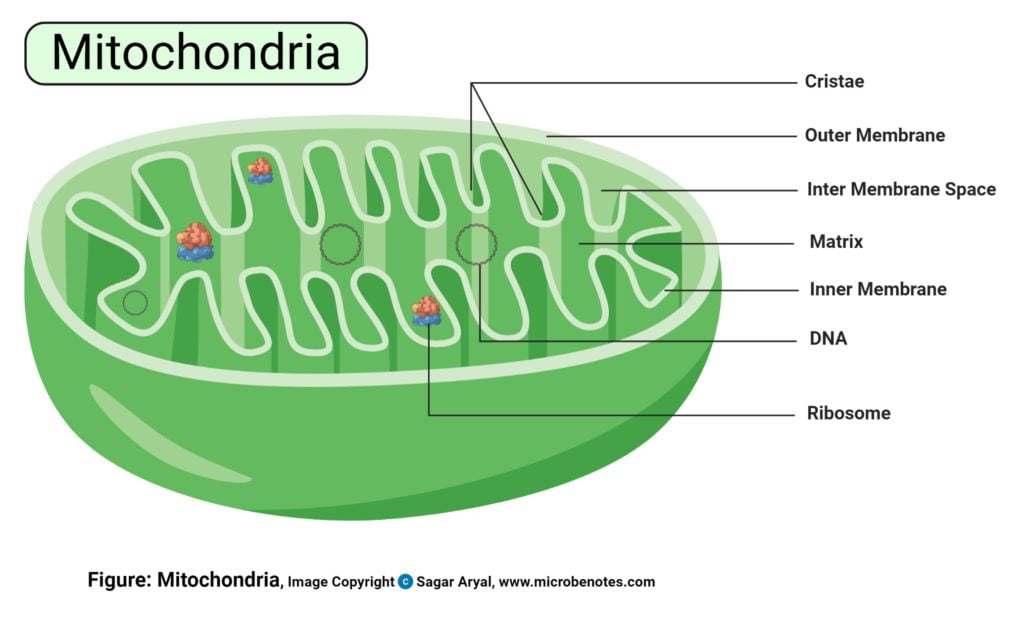
Mitochondria play a crucial role in cellular assimilation and produce energy (in the form of ATP) through cellular respiration.
Factors influencing assimilation in animals
The type of food an animal eats directly impacts assimilation. A balanced diet with the right mix of nutrients is essential for proper functioning.
The overall health and condition of an animal influence assimilation. Illness, stress, or metabolic disorders can affect nutrient processing and absorption efficiency. Animals in good health generally assimilate nutrients more effectively.
RELATED POSTS
View all


Assimilation in Plants
May 13, 2024 | by Bloom Code Studio
Challenges and Future Directions of Assimilation in Biology
May 13, 2024 | by Bloom Code Studio