

The Prenatal Developmental Period
May 17, 2024 | by Bloom Code Studio

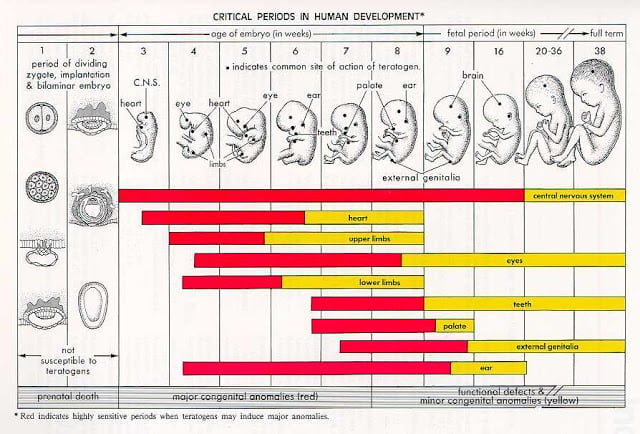
- The human body, like that of most animals, develops from a single cell produced by the union of a male and a female gamete (or sex cell).
- Cell division, cell migration, programmed cell death (apoptosis), differentiation, growth, and cell rearrangement transform the fertilized oocyte, a highly specialized, totipotent cell, a zygote, into a multicellular human being.
- It is customary to divide human development into prenatal (before birth) and postnatal (after birth) periods.
- Most changes occur during the prenatal period; however, important changes also occur during later periods of development:
- neonatal period (first 4 weeks)
- infancy (first year)
- childhood (2 years to puberty)
- adolescence (11 to 19 years).
- Development does not stop at birth; other changes, in addition to growth, occur after birth (e.g., development of teeth and female breasts).
RELATED POSTS
View all

