

Photosynthesis Limiting Factors (Factors Affecting)
May 13, 2024 | by Bloom Code Studio

Photosynthesis is a natural process that occurs in autotrophic organisms like algae, some microorganisms, and all plants. This process is used to produce foods on their own with the aid of sunlight, water, and CO2 (carbon dioxide). Products made include GLUCOSE AND OXYGEN. Glucose can be considered as the sole structural and functional energy source, they create cellular structures in the plant cell like a cell wall, and energy can be acquired from the breakdown of glucose via the cellular respiration process. The oxygen evolved as a result of the photosynthetic reaction is essential for the survival of most life on earth, as it provides the necessary function of electron acceptor in the cellular respiration process.
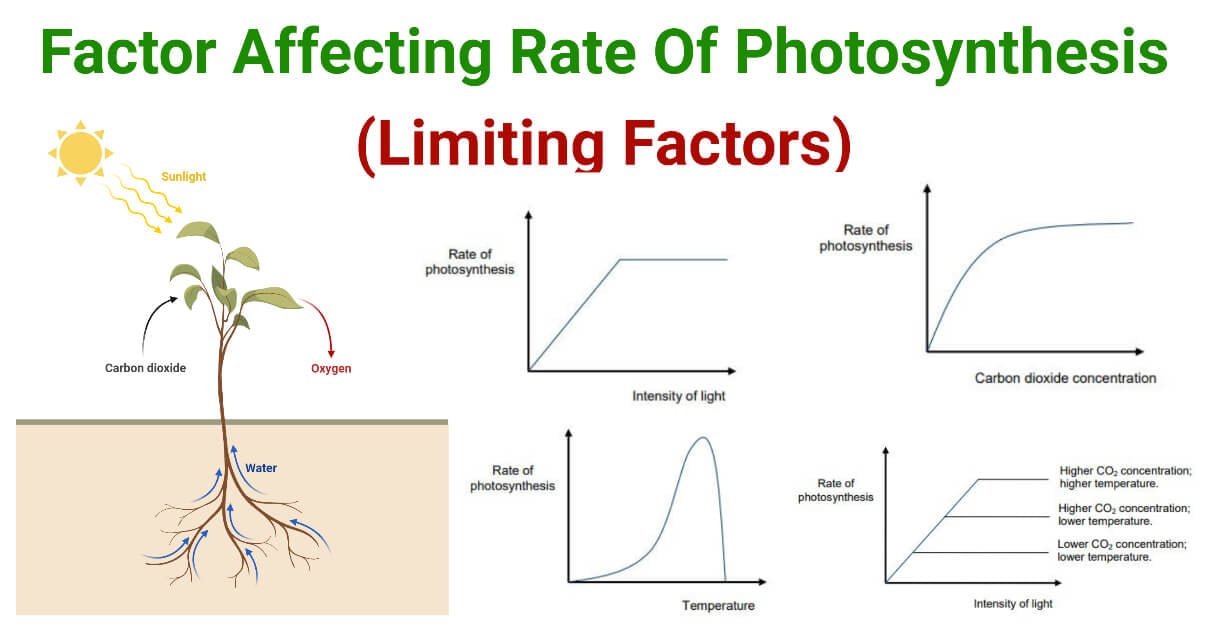
The limiting factors can be divided into two parts:
- External factors – Carbon dioxide, light, water, and temperature.
- Internal Factors – Chlorophyll content, protoplasmic composition, accumulation of by-products, hormones, leaf anatomy and age.
The internal factors do not play an important role as the limiting factors though they do matter and are crucial for the proper functioning of the photosynthetic pathways being carried out.
RELATED POSTS
View all


Chloroplast Facts
May 13, 2024 | by Bloom Code Studio
What is Photosynthesis?
May 13, 2024 | by Bloom Code Studio
Blackman Law of Limiting Factors
May 13, 2024 | by Bloom Code Studio