

Seed Germination
May 13, 2024 | by Bloom Code Studio

- Seed germination is the emergence of the essential characteristics from the embryo, which can give rise to new plants under the favorable condition of atmosphere and soil. All the viable seeds naturally germinate.
- Seed loss moisture at maturity with reduced metabolic activities and goes to a quiescent state that is reactivated by some climatic factors.
- There are three major events that occur during the germination process
- Water imbibition: When the seed is sown in moist soil, water is absorbed by the seed, which causes the seed to swell and split the seed coat.
- Enzyme activation: Following the intake of water, activation of some hydrolytic enzymes that hydrolyze food material and products are then translocated to the growing point, and increased respiration and assimilation rate provides energy for other processes.
- Cell division and enlargement: This process results in the emergence of plumule and radicle.
- Oxygen, water, and optimum temperature are the condition required for seed germination.
Types of germination
- Epigeal germination: Process in which young plant anchoring by the radicle is followed by the elongation of hypocotyl above the soil surface exposing cotyledon and plumule is later developed into primary shoot and leaves.
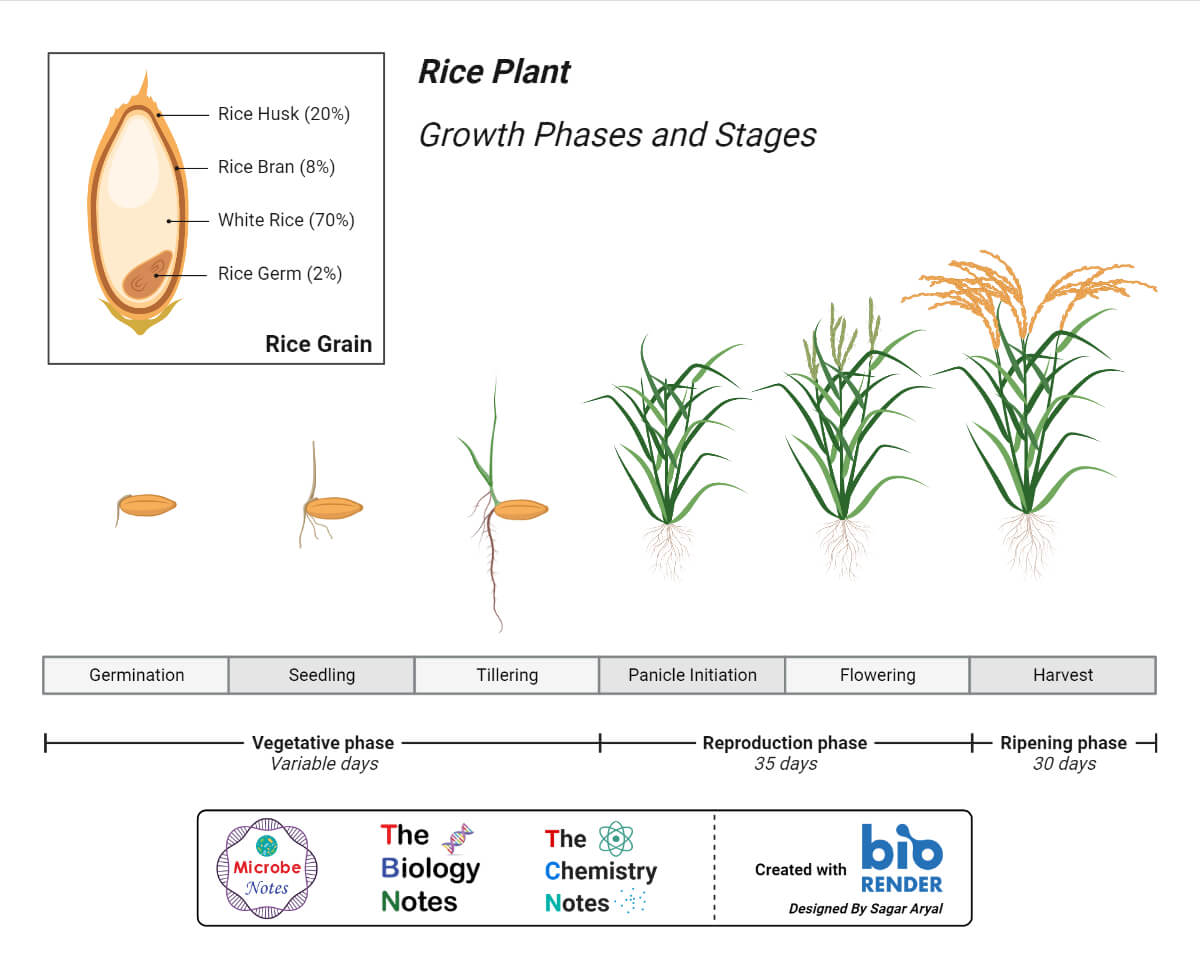
- Hypogeal germination: The process of germination in which cotyledon remains underground and elongation of plumule takes place. E.g., Monocots like rice, maize.
- Vivipary germination: Process in which seed germinates inside the fruit when it is still attached to the parent, and the radicle elongates and loses contact and falls into the ground and develops into a new plant.
- E.g., mangrove plants like Rhizophora and Sonneratia.
RELATED POSTS
View all


Types of Seed
May 13, 2024 | by Bloom Code Studio
Seed Development
May 13, 2024 | by Bloom Code Studio
Structure of seed
May 13, 2024 | by Bloom Code Studio