

Seed- Definition, Types, Structure, Development, Dispersal, Uses
May 13, 2024 | by Bloom Code Studio

A seed is the fertilized matured ovule that possesses an embryonic plant, stored food material, and a protective coat that is viable and can germinate.
A seed is a plant embryo in a dormant state and produced after the flower is fertilized. It is the reproductive structure of all flowering plants or phanerogams that have genetic wisdom and capability for perpetuation.
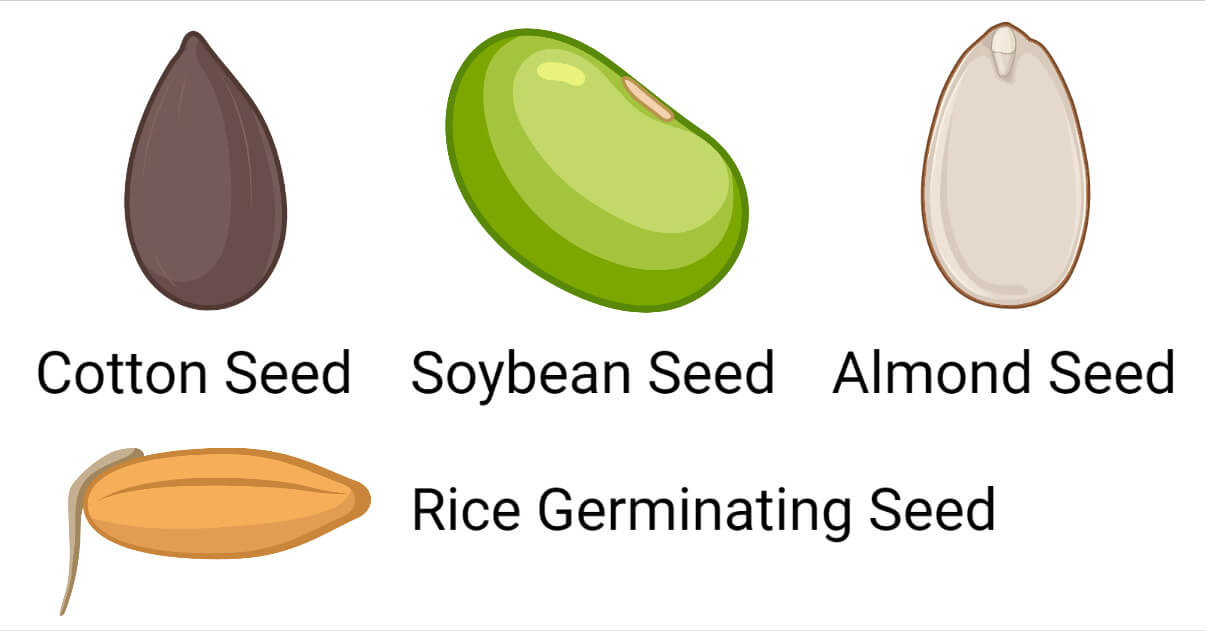
The growth of the seed into a plant is known as germination. It can resist stress conditions by perennation( surviving season) and remains viable until germination.
They are in a dormant state induced by desiccation and abscisic acid, during which growth and development are ceased until they are exposed to certain climatic and innate requirements.
Finally, it dispersed through many agents to the miles.
Seeds are also used as a source of food like cereal grains, source oil (mustard, sunflower, soybean), margarine production, lubrication oil from rapeseed, cotton, essential oil from juniper, stimulants from coffee, spices from pepper, etc.
RELATED POSTS
View all

Types of Seed
May 13, 2024 | by Bloom Code Studio
Functions of Seed
May 13, 2024 | by Bloom Code Studio
Structure of seed
May 13, 2024 | by Bloom Code Studio