


The study of modern chemistry has many branches, but can generally be broken down into five main disciplines, or areas of study:
- Physical chemistry: Physical chemistry is the study of macroscopic properties, atomic properties, and phenomena in chemical systems. A physical chemist may study such things as the rates of chemical reactions, the energy transfers that occur in reactions, or the physical structure of materials at the molecular level.
- Organic chemistry: Organic chemistry is the study of chemicals containing carbon with hydrogen. Carbon is one of the most abundant elements on Earth and is capable of forming a tremendously vast number of chemicals (over twenty million so far). Most of the chemicals found in all living organisms are based on carbon.
- Inorganic chemistry: Inorganic chemistry is the study of chemicals that do not, in general, contain carbon. Inorganic chemicals are commonly found in rocks and minerals. One current important area of inorganic chemistry deals with the design and properties of materials involved in energy and information technology.
- Analytical chemistry: Analytical chemistry is the study of the composition of matter. It focuses on separating, identifying, and quantifying chemicals in samples of matter. An analytical chemist may use complex instruments to analyze an unknown material in order to determine its various components.
- Biochemistry: Biochemistry is the study of chemical processes that occur in living things. Research may cover basic cellular processes up to understanding disease states so better treatments can be developed.
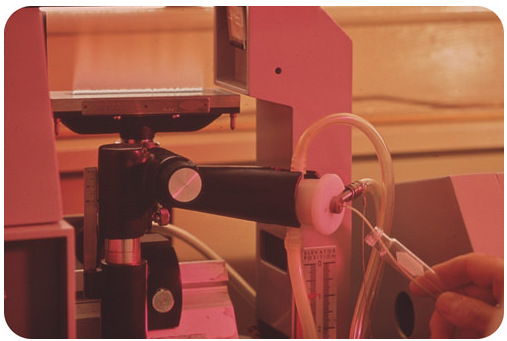
Figure 1.1.21.1.2: (left) Measurement of trace metals using atomic spectroscopy. (right) Measuring hormone concentrations.
RELATED POSTS
View all

