


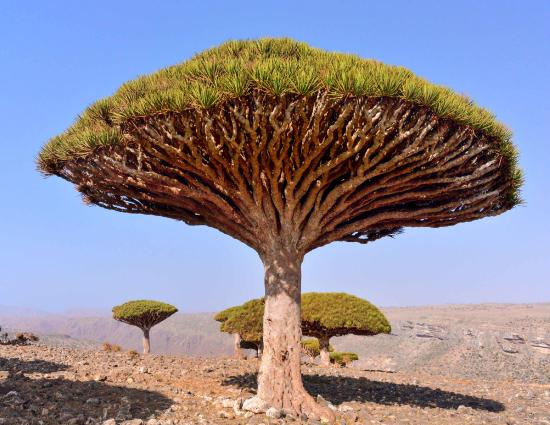
The structure of plant roots, stems, and leaves facilitates the transport of water, nutrients, and photosynthates throughout the plant. The phloem and xylem are the main tissues responsible for this movement. Water and nutrients are absorbed from the soil by roots ands transported through the xylem. Much water is lost through the stomata in the leaves, and plants have a variety of adaptations to reduce water loss (Figure ). The products of photosynthesis move through the phloem from sources to the tissues and organs that need them. These mechanisms of transport allow plant organs to specialize because they can export excess substances and import what they do not produce or collect locally.
Attribution
Curated and authored by Melissa Ha using 30.5 Transport of Water and Solutes in Plants from Biology 2e by OpenStax (licensed CC-BY). Access for free at openstax.org.
- 4.5.1: Water Transport Most plants secure the water and minerals they need from their roots. The path taken is: soil→roots→stems→leaves. The minerals travel dissolved in the water (often accompanied by various organic molecules supplied by root cells), but less than 1% of the water reaching the leaves is used in photosynthesis and plant growth. Most of it is lost in transpiration, which serve two useful functions: providing the force for lifting the water up the stems and cools the leaves.
- 4.5.2: Translocation (Assimilate Transport) Translocation is the movement of the substance in the phloem (assimilate). Phloem loading may be apoplastic or symplastic. The pressure-flow hypothesis explains how translocation is driven by phloem loading and unloading and the resultant osmosis of water.
- 4.5.3: Chapter Summary
RELATED POSTS
View all

