
Learning Objectives
- Describe the shared derived characteristics of gymnosperms.
- Connect these adaptations to the stressors this group of plants would have faced.
Toward the end of the Carboniferous period, major changes in the climate occurred. The current day European and North American continents slammed together, forming the Appalachian mountains (which were taller, at that time, than the present-day Himalayas). Fossil and geologic records show a tendency toward a drier climate, with evidence of glaciation and lowered sea levels. Inland seas were increasingly diverted into distinct river channels as woody debris channelled the movement of waterways. In short, the terrestrial surface began to dry out and there was much more of it. The ancestors of birds, reptiles and mammals were adapting eggs that could survive outside of the water — plants were working toward a similar strategy. Dry conditions would have selected for plants with thicker cuticles, leaves with less surface area to evaporate from, propagules that could survive through dry periods to germinate when water was available, and those that could grow taller than the current canopy. Around this time, a group of animals likely took flight for the first time — the insects! This would present both new challenges and new opportunities for plants.
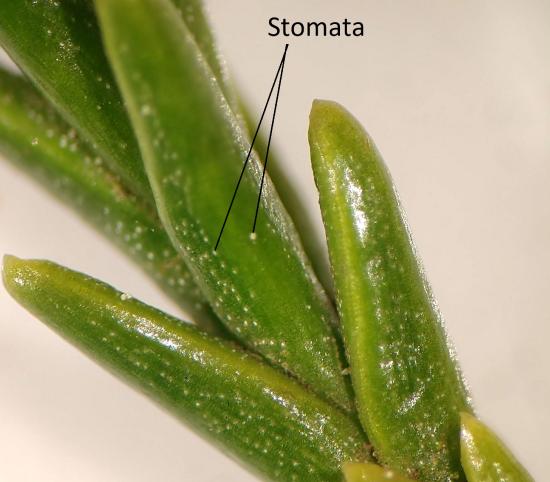
The plants that would become the gymnosperms evolved xerophytic leaves to prevent desiccation in the dry air (Figure ).
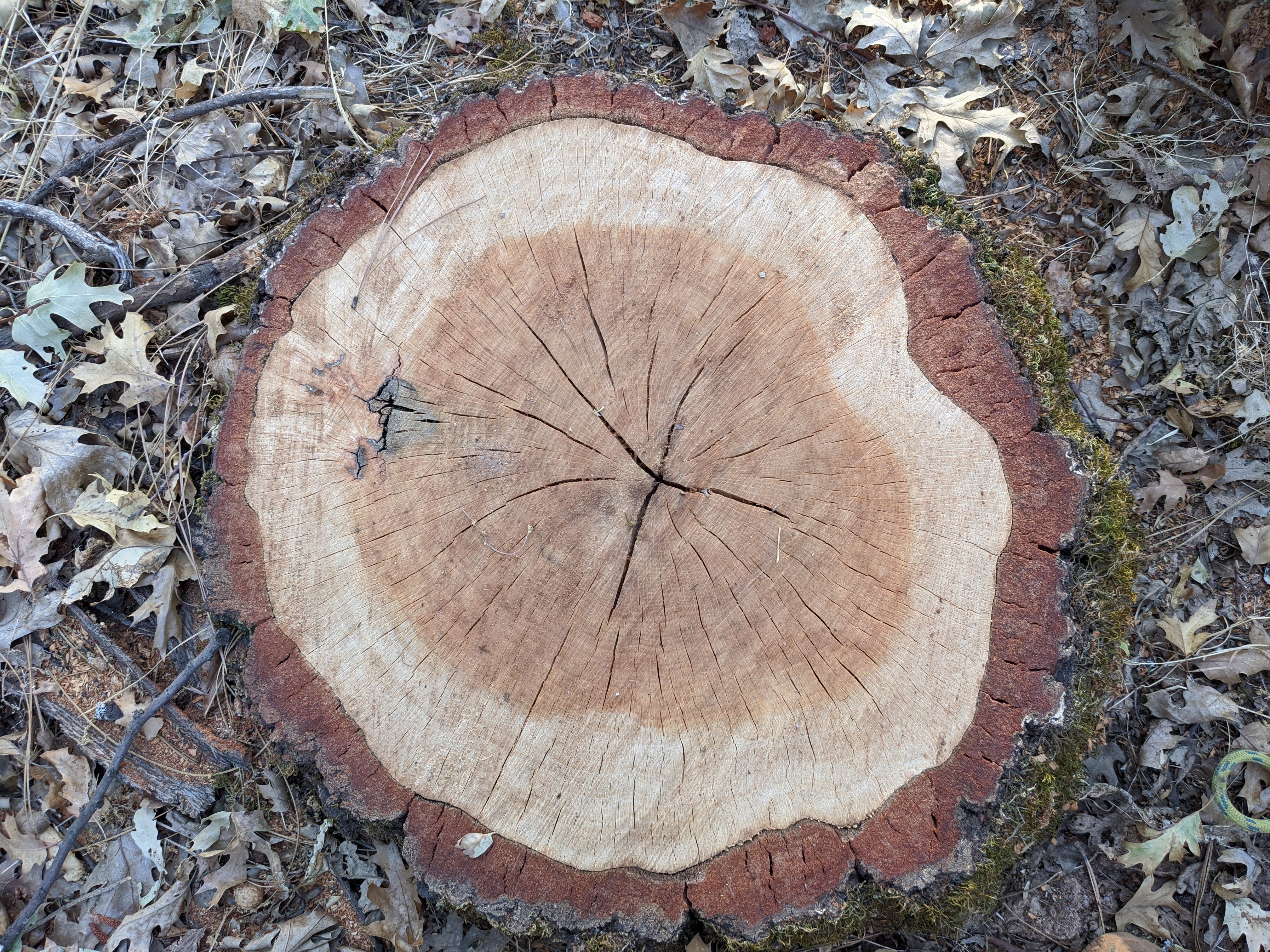
These plants would have the ability to grow wider (and thus taller) via the production of a new layer of secondary xylem, AKA wood, each year. They could also produce exterior layers of dead cells, unlike the living epidermis, called bark. Together, the production of bark and wood are part of a process called secondary growth (Figure ). These traits allowed some gymnosperms to adapt to extreme environments like the frozen tundra, high alpine, and deserts, to resist herbivory, and live thousands of years.
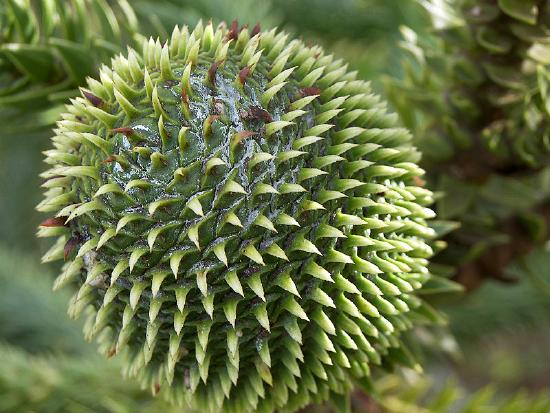
To increase the chances of fertilization in the absence of water, gametes began to be dispersed aerially via pollen. Perhaps most importantly, the zygote and female gametophyte were surrounded in a protective coating and dispersed as seeds. Both seeds and pollen develop within a structure called a cone (or strobilus, see Figure ).
The first fossil records of gymnosperms are from a period called the Permian, just after the Carboniferous. Gymnosperms used to have many more species, but it is likely that the event that wiped out most of the dinosaurs also represented the end for most of those lineages. Extant groups of gymnosperms include the conifers, cycads (similar in appearance to palms), gnetophytes, and single species from the ginkgophytes, Ginkgo biloba. Of the approximately 1000 species of gymnosperms alive today, about 600 of these are conifers, 58 of which are found in California. In fact, some of the oldest (bristlecone pine), tallest (coast redwood), and most massive (giant sequoia) organisms on the planet are conifers and all are native to California.
Many lineages of gymnosperms are currently threatened with extinction. Check out this open-access paper (Gymnosperms on the EDGE) for more information about gymnosperm conservation.
Selection Pressures and Drivers
- Competition for sunlight. Seedless vascular plants were able to reach heights up to 100 feet tall. In the lineage leading to the gymnosperms and angiosperms, some plants developed the ability to grow wider as they grew taller. This secondary growth allowed for increased stability and, eventually, to reach heights over 300 feet.
- Drought. Dry conditions would have selected for plants with thicker cuticles, leaves with less surface area to evaporate from, and propagules that could disperse without water and survive through dry periods to germinate when water was available.
- Herbivory. In addition to leaves that could resist drought, the presence of insects would have driven selection for plants that could defend against herbivory. The thick cuticle and tough texture of xerophytic leaves made them difficult to eat, while resin canals in both leaves and stems provided another line of defense.
- 2.6.2.1: Cycads and Ginkos Cycads and ginkgos are more ancestral lineages of gymnosperms. Ginkgos are represented by a single surviving species: Ginkgo biloba. These trees have fan-shaped, deciduous leaves. Paired ovules with fleshy coats are produced on separate trees than microstrobili. Cycads are primarily tropical and usually have large pinnately compound leaves. Like the Ginkgos, seeds and pollen are produced in strobili produced on separate plants.
- 2.6.2.2: Conifers and Gnetophytes Gnetophytes are a group of gymnosperms that have convergently evolved several characteristics with angiosperms: fruit-like cones, vessel elements, and double fertilization. However, it is likely that they are a highly-derived group within the conifers, sister to the pine family! Conifers are monoecious: seeds and pollen are produced in separate cones on the same plant. Most extant gymnosperms are conifers; this group includes some of Earth’s oldest, largest, and longest lived organisms.