Learning Objectives
- List the shared derived characteristics of bryophytes.
- Connect these characteristics to selection pressures these organisms would have faced.
- Name the three phyla included in the bryophytes.
Introduction
Bryophytes arose in a period of Earth’s history before soils had formed. The terrestrial surface was rocky and consisted primarily of crusts (microbial mats) composed of assemblages of prokaryotes. The exposure to sunlight would have been intense relative to the buffer provided by water. In addition, being surrounded by water would provide regulation of surrounding temperature and structural support. As green algae began to colonize the terrestrial surface, at least one of these lineages accumulated adaptations that were favorable to living on land–a waxy cuticle to prevent water loss, desiccation-resistant dispersal propagules called spores, and retention and feeding of the developing zygote. This lineage of green algae evolved into the ancestor of the bryophytes. These plants do not have true roots to absorb water, nor do they have vascular tissue to transport that water to other regions of the plant. Because of this, bryophytes tend to grow prostrate (close to the surface they are growing on) and stay quite small. They also tend to grow in moist areas where there is access to water and are reliant on water for the dispersal of gametes and fertilization.
Characteristics of Bryophytes
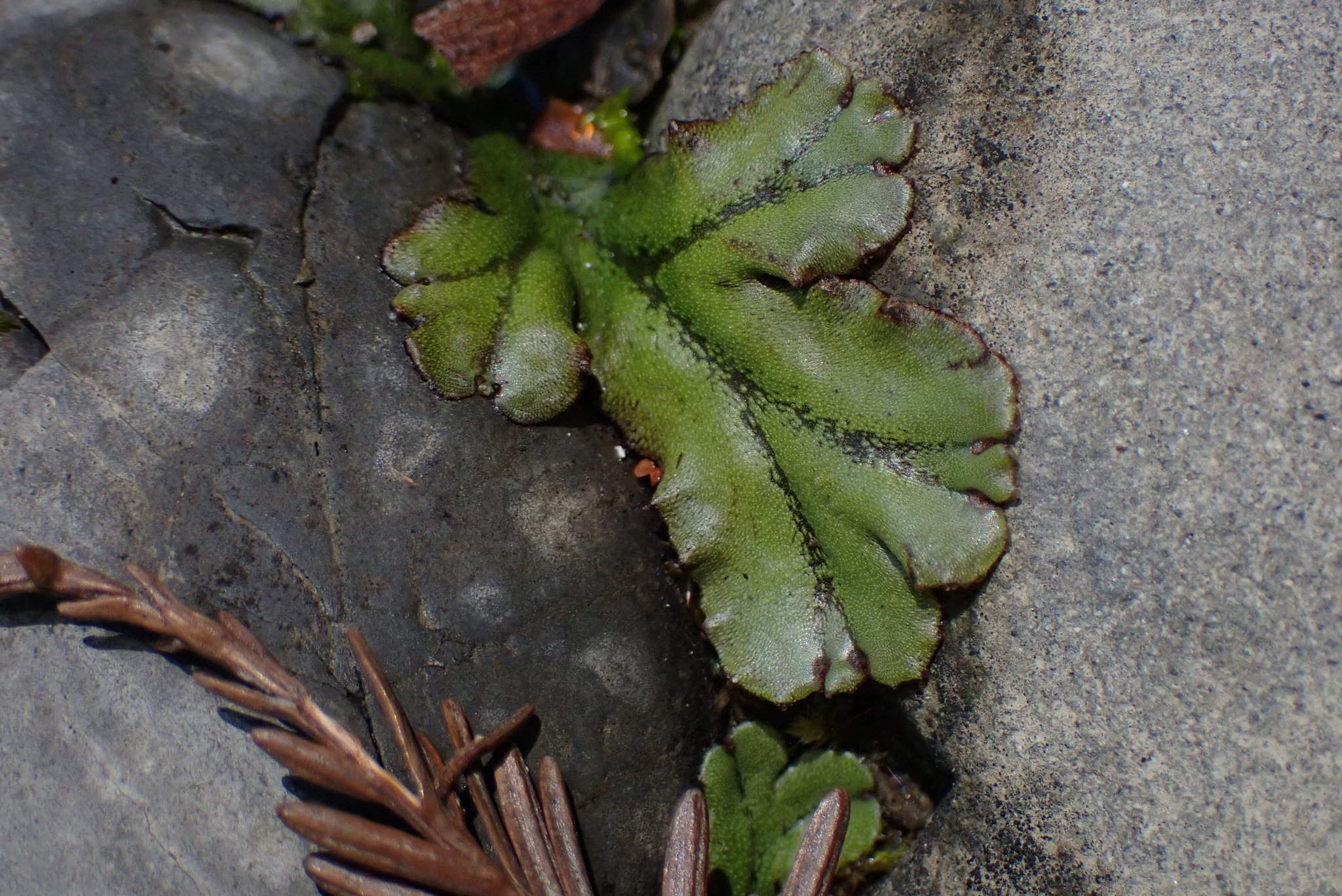
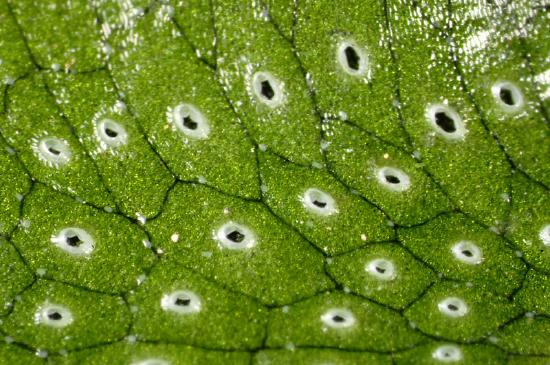
- Morphology: Generally small, prostrate plants. Complex tissues, including an exterior protective layer. Root-like structures called rhizoids provide anchorage for the gametophyte, which might be thalloid or leafy. Gametophytes possess simple pores (lacking guard cells) for gas exchange
- Life cycle: Alternation of generations; gametophyte dominant. Sporophytes grow from and are nourished by the female gametophyte. The gametophyte is nutritionally independent and is generally the larger and longer-lived of the two phases.
- Ecology: Terrestrial, gametes are dispersed in water.
Selection Pressures and Drivers
An important aspect of understanding the life history traits of the bryophytes is understanding the challenges of living in a terrestrial environment.
- Sun exposure. Sunlight provides the power that drives our biosphere, but some wavelengths of sunlight can be damaging to cellular structure and even DNA. High frequency wavelengths, such as ultraviolet (UV), X-rays, and gamma rays can penetrate outer protective layers like skin, through cell membranes, and causing damage to DNA, proteins, and other biomolecules. Fortunately for organisms on Earth, almost all of these wavelengths are filtered by the atmosphere before they reach us, though some UV rays still make it through. These last UV rays are filtered out for aquatic organisms, but terrestrial organisms need adaptations to protect against UV radiation. Humans have skin with melanin pigments. Terrestrial plants have an epidermis and carotenoid pigments.
- Desiccation. Transitioning from a completely aquatic environment to a terrestrial one leads to challenges of drying out, also known as desiccation. Temperatures are more extreme outside of the water and evaporation from tissues into the relatively dry air is constant. Terrestrial plants quickly adapted a waxy covering on the epidermis, called a cuticle. This water-tight covering required the evolution of simple pores, and eventually stomata, to allow gas exchange with the outer environment. Because these plants lack vascular tissue, water can only be transported around the organism via osmosis. Thus, these plants must keep all tissues close to water access.
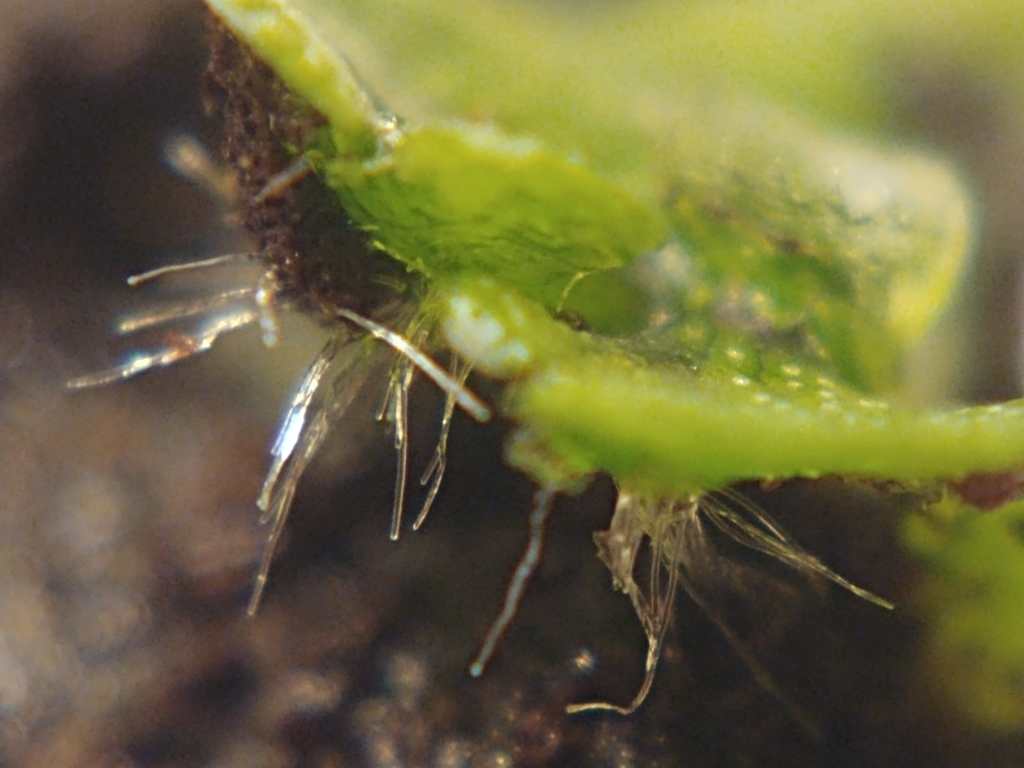
- Lack of a soil environment. The first organisms to move onto land would have found a relatively barren, rocky landscape. Soils did not yet exist. The rocky substrate experienced physical weathering from rain and wind that would help break it down. Chemical weathering through acidic rain or the interaction of water with compounds in the rock could also assist in breakdown. However, up to this point, contributions from organic matter would be minimal. Bryophytes lack true roots, instead producing structures called rhizoids whose function is anchorage (Figure ). There are genes present in bryophytes, as well as some fossil evidence, that indicate bryophytes likely had mycorrhizal relationships with fungi that helped them acquire nutrients in this new landscape.
Bryophyte Lineages
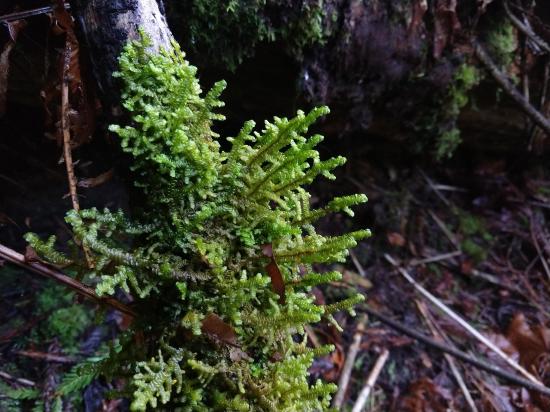
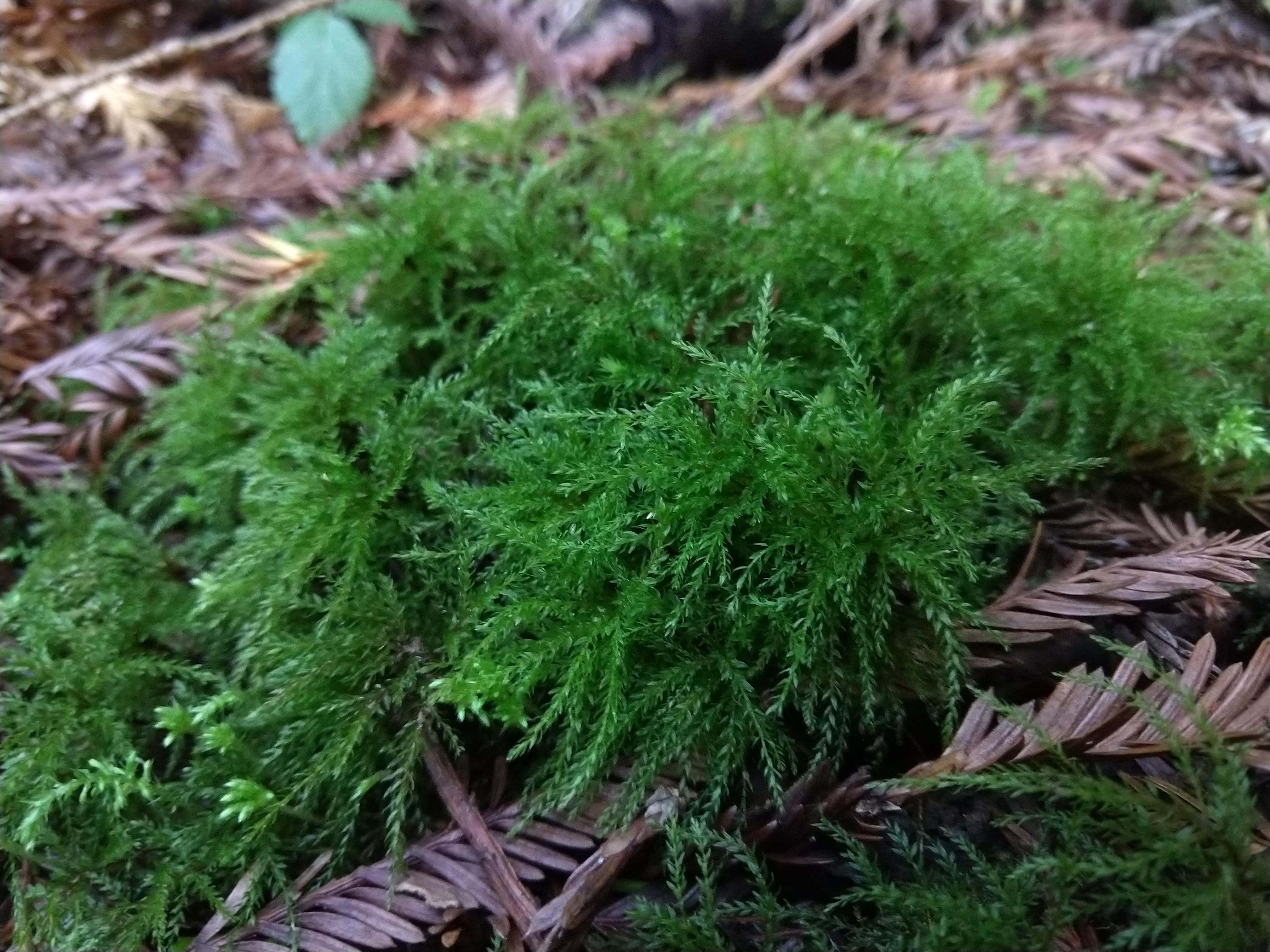
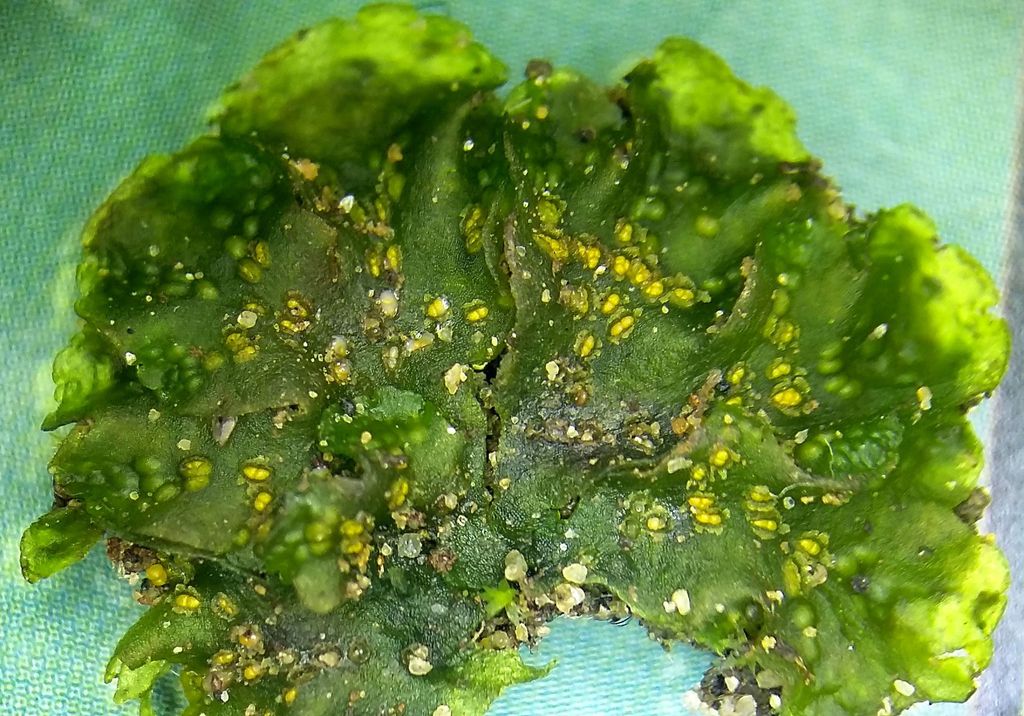
This evolutionary group includes liverworts (phylum Marchantiophyta, Figure ), mosses (phylum Bryophyta, Figure ), and hornworts (phylum Anthocerophyta, Figure ). There are approximately 23,000 known extant species, most of these belonging to the mosses. As of 2019, much is unresolved on the early lineages of plants and who was first on land. Recent genetic analyses interpret bryophytes as being monophyletic, all deriving from a common ancestor that branched from the main line of plants. Read this open-access paper for further information.
- 2.5.2.1: Anthocerotophyta The name Anthocerotophyta means ‘horn flower plant’. These strange plants get their name from the horn-like sporophytes they produce. Hornworts have thallose gametophytes with monoplastidic cells, out of which grow their long photosynthetic sporophytes, composed of a sporangium that grows from a basal meristem.
- 2.5.2.2: Marchantiophyta Liverworts can have either thallose or leafy gametophytes. Leafy gametophytes can be distinguished from mosses by the orientation of their leaves and the lack of a costa. Thalloid liverworts can be distinguished from hornworts by the multiple chloroplasts present in each cell. Some liverworts can reproduce asexually using gemmae.
- 2.5.2.3: Bryophyta Most described bryophyte species diversity (around 13,000 species) belongs to the mosses. Unlike other bryophytes, mosses are exclusively leafy and have spirally arranged leaves. Sporophytes in most species form complex capsules, involving multiple layers of structures. Members of the mosses have defied many of the typical bryophyte descriptors.
RELATED POSTS
View all