Scientists have studied prokaryotes for centuries, but it wasn’t until 1977 that Carl Woese discovered two distinct lineages within the prokaryotes: Bacteria and Archaea.
Prokaryotes have an important role in changing, shaping, and sustaining the entire biosphere. They can produce proteins and other substances used by molecular biologists in basic research and in medicine and industry. For example, the bacterium Shewanella lives in the deep sea, where oxygen is scarce. It grows long appendages, which have special sensors used to seek the limited oxygen in its environment. It can also digest toxic waste and generate electricity. Other species of prokaryotes can produce more oxygen than the entire Amazon rainforest, while still others supply plants, animals, and humans with usable forms of nitrogen; and inhabit our body, protecting us from harmful microorganisms and producing some vitally important substances.
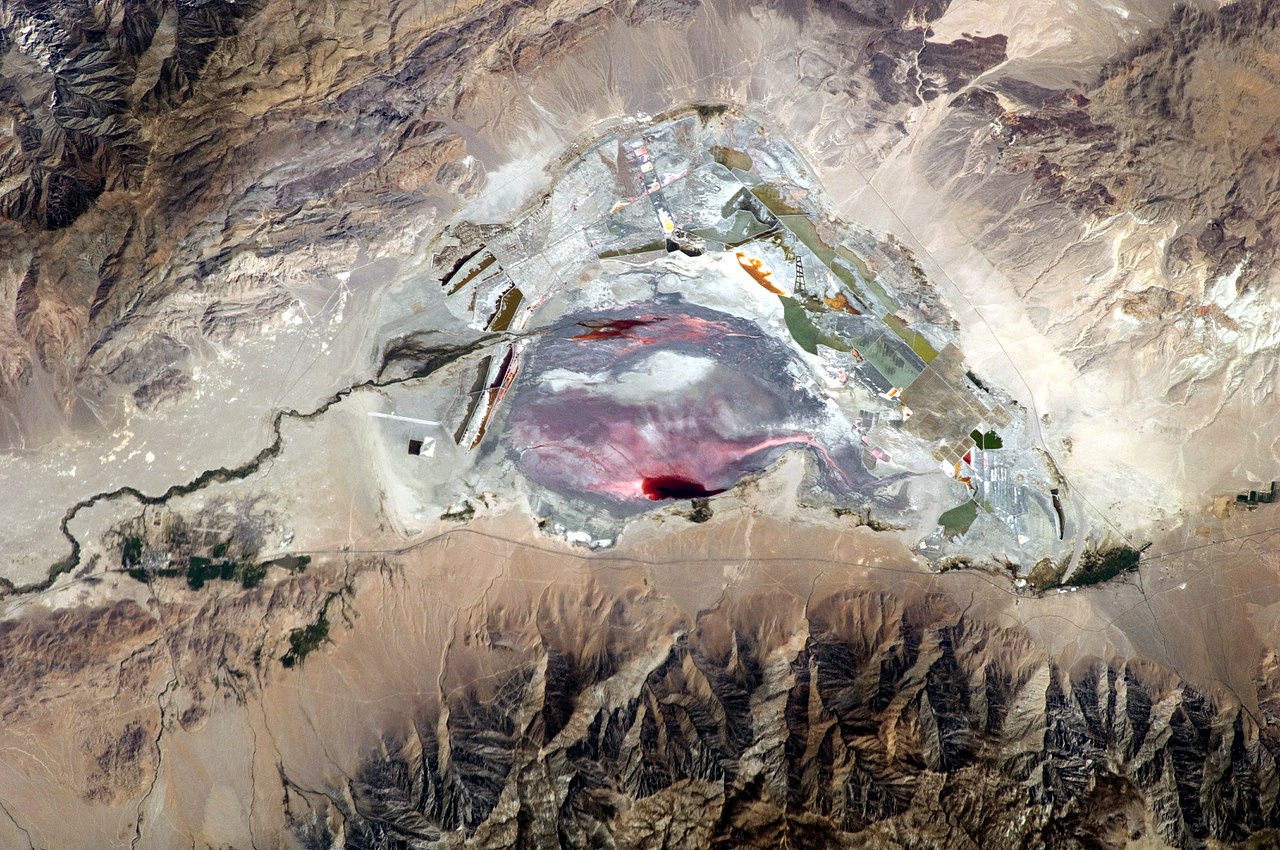
Prokaryotes are everywhere, playing important roles in the transformation and exchange of nutrients in every ecosystem. In 1966, scientist Thomas Brock discovered that certain bacteria can live in boiling water. This led many to wonder whether prokaryotes may also live in other extreme environments, such as at the bottom of the ocean, at high altitudes, or inside volcanoes, or even on other planets. This chapter will examine some of the diversity, structure, and function of prokaryotes.