

Species Classification and Taxonomy
May 13, 2024 | by Bloom Code Studio

- Taxonomy is a scientific discipline that categorizes organisms based on their biological traits. It provides a systematic framework for organizing the diverse life on Earth into distinct categories based on their evolutionary relationships and shared characteristics.
- Taxonomy categorizes organisms into hierarchical levels, starting from highest to lowest, including Kingdom, Phylum, Class, Order, Family, Genus, and Species.
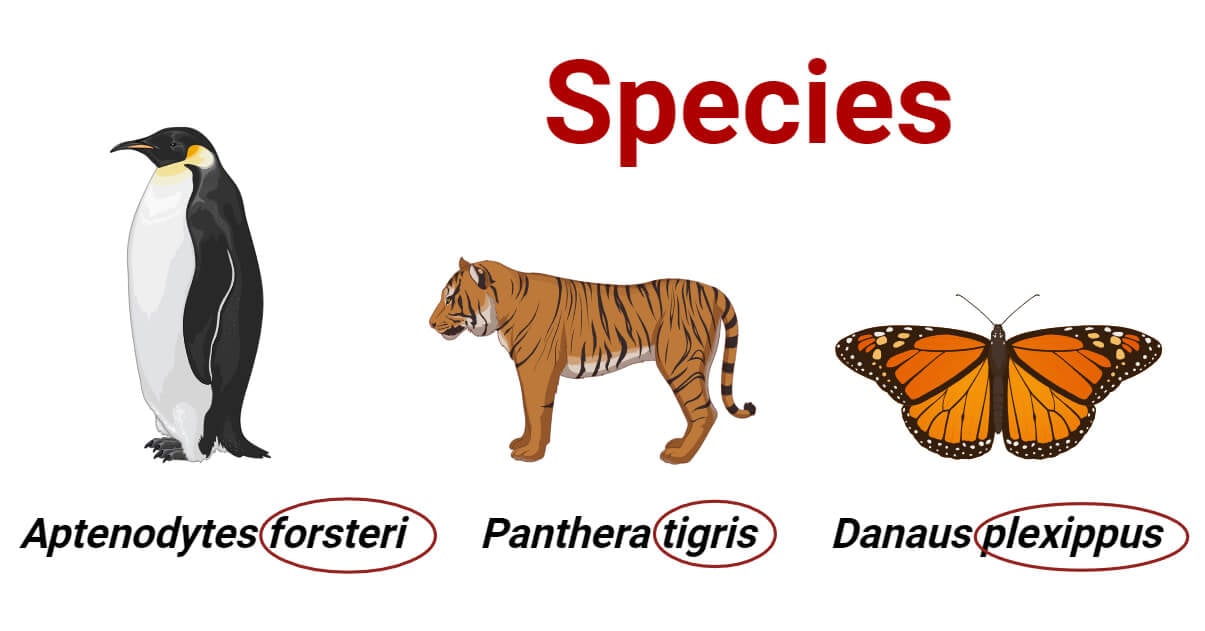
- Species is the most specific and fundamental unit of classification. Each species is defined by a unique set of characteristics that differentiates it from others within the taxonomy hierarchy.
- Classification of organisms is important to understand the complex life forms and their relationships.
- Knowledge of an organism’s classification can provide information about its features, behaviors, and ecological roles based on shared traits with other classified species.
- Taxonomy is used to identify and study species, helping research in various fields such as ecology, genetics, and evolutionary biology.
RELATED POSTS
View all


Challenges and Controversies
May 13, 2024 | by Bloom Code Studio
Methods of Species Identification
May 13, 2024 | by Bloom Code Studio
Species: Classification, Taxonomy, Example, Identification
May 13, 2024 | by Bloom Code Studio