

Gymnosperms- Characteristics, Morphology, Classification, Uses
May 13, 2024 | by Bloom Code Studio

Definition: Gymnosperms are the plants that are most ancient vascular, flowerless, seed-producing, and can reproduce through an exposed seed or ovule.
They produce seeds without fruits which means the ovules and the seeds that develop from these ovules are not enclosed in the fruit wall. It remains exposed before and after fertilization and before developing a seed.
The tallest tree-like sequoia and pines belong to gymnosperm plants.
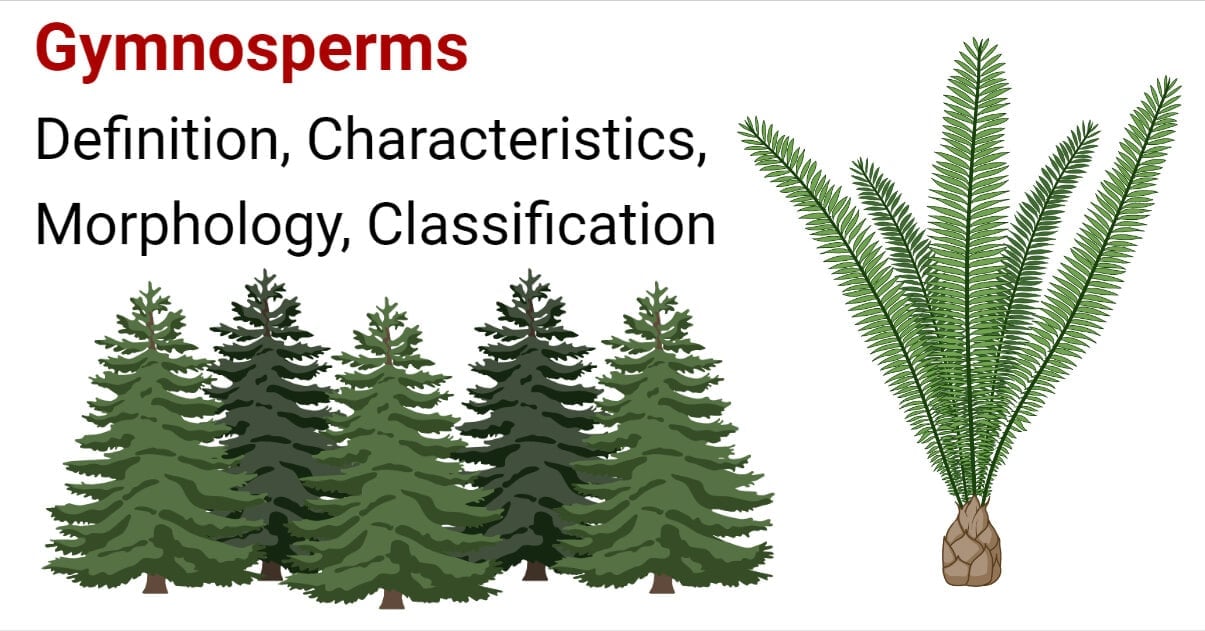
In 300 B.C, Theophrastus used the word ‘gymnosperm’ in his book ‘Enquiry into plants’. This word originated from the Greek words ‘gymnos’ which means naked and ‘sperma’ means seed. Hence refer to ‘naked seeds.
Belonging to the kingdom ‘Plantae’ and sub-kingdom ‘Embryophyta’, there are 88 genera and about 1,000 species of gymnosperms distributed worldwide.
An abundant amount of gymnosperm is present in temperate forests and boreal forest biomes, they can able to tolerate moist or dry conditions.
RELATED POSTS
View all


Applications and Uses of Gymnosperms
May 13, 2024 | by Bloom Code Studio
Morphology and Anatomy of Gymnosperms
May 13, 2024 | by Bloom Code Studio
Examples of Gymnosperms
May 13, 2024 | by Bloom Code Studio